
Top 10 Plumbing Problems Every Homeowner Should Know About
Plumbing is an essential component of every home, yet it often goes unnoticed until a problem arises. From the convenience of running water to the necessity of waste removal, a well-maintained plumbing system ensures comfort, hygiene, and safety. Unfortunately, plumbing issues are among the most common challenges homeowners face. Even minor problems, if left unaddressed, can escalate into costly repairs, property damage, and significant inconvenience. Moreover, plumbing problems can affect energy efficiency, contribute to water wastage, and even impact the overall structural integrity of a home. Understanding common plumbing issues, their causes, and preventive measures empowers homeowners to protect their investments and maintain a smoothly functioning household while avoiding unnecessary stress.
Being proactive about plumbing not only reduces the risk of emergencies but also saves time and money in the long run. By familiarizing yourself with the most frequent plumbing problems, you can identify early warning signs and make informed decisions about maintenance, repairs, or professional interventions. This knowledge also helps homeowners communicate effectively with plumbers, ensuring efficient service and long-lasting solutions. Additionally, a proactive approach can extend the lifespan of fixtures, prevent mold or mildew buildup, and enhance water efficiency across the home. In this comprehensive guide, we will explore the top ten plumbing problems every homeowner should know about, providing practical insights, examples, and expert advice to safeguard your home and prevent future complications.
1. Leaky Faucets and Taps
Causes of Leaky Faucets
Leaky faucets are one of the most common plumbing complaints in households. They can result from worn-out washers, damaged O-rings, corroded valve seats, or loose components. Even a slow drip can waste gallons of water over time, increasing your utility bills and contributing to unnecessary environmental strain.
Identifying the Signs
A faucet leak may initially appear minor but can manifest as constant dripping, reduced water pressure, or rust stains around fixtures. Homeowners should check both hot and cold taps, as leaks can occur in either supply line.
Solutions and Best Practices
Replacing washers, tightening components, or applying sealant can often resolve minor leaks. For older fixtures, consider upgrading to modern, water-efficient faucets. Regular inspections of kitchen and bathroom taps, combined with prompt repairs, can prevent further damage to sinks, countertops, and surrounding cabinetry.
2. Running Toilets
Understanding the Problem
A running toilet is more than a nuisance; it wastes significant water and may indicate underlying issues within the tank components. Common causes include faulty flappers, damaged fill valves, misaligned float mechanisms, or mineral buildup.
Detecting Early Signs
Listen for constant water sounds in the tank, notice toilets that refill frequently, or observe higher-than-usual water bills. These signs often precede more severe problems like leaks into the bathroom floor or foundation.
Repair and Maintenance
Replacing flappers, adjusting float levels, or cleaning mineral deposits can often stop a running toilet. Regular maintenance checks, including inspecting tank components every six months, help homeowners avoid water waste and prevent larger plumbing failures.
3. Low Water Pressure
Causes of Low Water Pressure
Low water pressure can result from a variety of issues, including clogged pipes, corroded plumbing lines, leaks, or municipal water supply problems. Sediment buildup in faucets and showerheads may also reduce flow.
Implications for the Household
Low pressure affects daily activities such as showering, washing dishes, and laundry. It may also strain appliances, reducing their efficiency and lifespan.
Solutions and Expert Recommendations
Homeowners should check individual fixtures, clean aerators, and inspect plumbing lines for corrosion or leaks. In some cases, installing a water pressure regulator or replacing old pipes can restore optimal flow. For persistent problems, consulting a licensed plumber ensures proper diagnosis and a permanent solution.
4. Clogged Drains
Common Causes of Blockages
Clogged drains often occur due to hair, soap residue, grease, or foreign objects accumulating in pipes. Kitchen sinks may also experience blockages from food waste, while bathroom drains often trap hair and skin products.
Signs of Drain Clogs
Slow drainage, gurgling sounds, water backing up, or foul odors indicate a clog. Ignoring these signs can lead to complete blockage, water damage, or mold growth.
Prevention and Remedies
Using drain guards, avoiding pouring grease down sinks, and regularly flushing drains with hot water help prevent blockages. For stubborn clogs, mechanical plungers or augers may suffice, but persistent issues often require professional drain cleaning services to remove deep or extensive obstructions safely.
5. Burst or Leaking Pipes
Causes and Risks
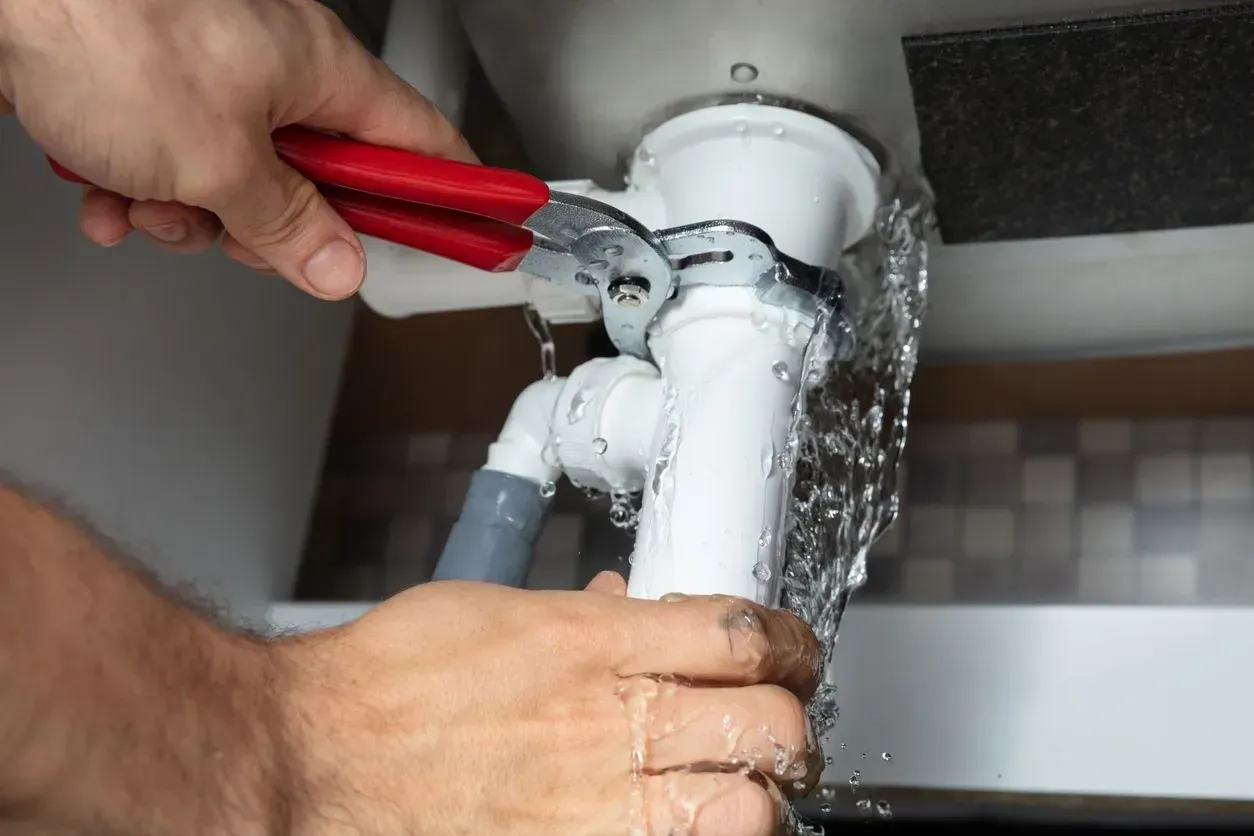
Pipes can burst or leak due to freezing temperatures, high water pressure, corrosion, or physical damage. These failures can result in extensive water damage, mold growth, and structural compromise if not addressed immediately.
Recognizing the Warning Signs
Indicators include unexplained water stains on walls or ceilings, damp spots, unusual water pressure drops, or the sound of running water when all fixtures are off.
Action Steps and Best Practices
Shutting off the main water supply immediately can minimize damage. Regular inspections of exposed and hidden pipes, insulation of vulnerable areas, and timely replacement of aging pipes reduce the risk of sudden bursts. Consulting a professional plumber for assessment and repair ensures long-term reliability.
6. Water Heater Issues
Common Problems
Water heaters are susceptible to sediment buildup, thermostat malfunctions, pilot light failures, and leaks. Symptoms include inconsistent water temperature, discolored water, rumbling noises, or reduced hot water output.
Risks to Homeowners
Neglecting water heater maintenance can lead to inefficiency, higher energy bills, and even catastrophic leaks that damage property.
Maintenance Tips and Solutions
Flushing the tank annually, inspecting anode rods, and checking pressure relief valves help prolong the unit’s lifespan. For persistent issues, repairing or replacing the water heater with energy-efficient models ensures safety, performance, and long-term cost savings.
7. Sewer Line Problems
Causes and Indicators
Sewer line issues often arise from tree root intrusion, pipe corrosion, clogs, or shifts in soil. Symptoms include slow drains across multiple fixtures, gurgling toilets, foul odors, or sewage backups.
The Dangers of Ignoring Sewer Problems
Sewer line failures can cause significant property damage, health hazards, and costly repairs. Early detection prevents escalation and mitigates structural risks.
Professional Solutions
Septic inspections, sewer camera diagnostics, and trenchless pipe repair techniques are highly effective for addressing sewer line problems. Homeowners should schedule regular maintenance, particularly for older homes or properties with mature landscaping.
8. Dripping Showerheads
Causes and Implications
Dripping showerheads are typically caused by worn washers, corroded valves, or mineral deposits. Even a minor leak can waste hundreds of gallons of water annually and impact water efficiency.
Identifying Problems
Homeowners may notice constant dripping, water stains in the shower area, or reduced pressure. Left unattended, leaks can contribute to mold growth and structural damage to walls and ceilings.
Solutions and Preventive Measures
Replacing washers, cleaning aerators, or upgrading to modern fixtures often resolves leaks. Routine inspections and descaling prevent mineral buildup and extend the life of shower components.
9. Faulty Garbage Disposals
Causes of Malfunction
Garbage disposals can jam, clog, or fail due to improper usage, buildup of fibrous foods, or mechanical wear. Overloading or neglecting maintenance accelerates deterioration.
Signs of Trouble
Indicators include unusual noises, leaks under the sink, slow drainage, or complete inoperability. Ignoring these signs can lead to costly repairs or replacement.
Best Practices
Regular cleaning, avoiding unsuitable materials (like bones or fibrous vegetables), and running cold water during operation help maintain performance. Professional service is recommended for repairs, motor issues, or installation of newer, higher-capacity models.
10. Sump Pump Failures
Causes and Risks
Sump pumps prevent basement flooding by directing water away from foundations. Failures can occur due to power outages, mechanical faults, debris in the pit, or improper installation.
Warning Signs
Homeowners may notice unusual noises, water accumulation in basements, or the pump failing to start during heavy rainfall.
Maintenance and Solutions
Routine inspections, cleaning, and battery backup installation are essential. Testing pumps seasonally ensures functionality during emergencies. Professional installation and regular servicing guarantee reliability and protect against potential flooding and property damage.
Expert Plumbing Solutions With Proven Reliability
Plumbing problems are inevitable for homeowners, but awareness and proactive management significantly reduce the risk of costly repairs and household disruption. From leaky faucets to sump pump failures, each issue carries unique challenges that require timely attention, proper maintenance, and sometimes professional intervention. By understanding common plumbing problems, recognizing early warning signs, and implementing preventive measures, homeowners can ensure the longevity and efficiency of their plumbing systems while safeguarding their property and budget. Regular monitoring and timely action not only prevent emergencies but also contribute to overall home efficiency and water conservation, protecting both finances and resources.
For residents in Mesquite, Texas, Rise Plumbing Systems
stands as a trusted authority in residential plumbing. With 15
years of experience, Rise Plumbing Systems
combines technical expertise, advanced tools, and a commitment to excellence to address every plumbing challenge, big or small. Our team provides thorough inspections, expert repairs, and preventative guidance tailored to each home, ensuring peace of mind and reliable performance. Homeowners can rely on Rise Plumbing Systems
for transparent service, efficient solutions, and long-term plumbing care, making us a dependable partner in protecting your home’s most vital systems. With a focus on personalized service and long-lasting results, we ensure every plumbing solution meets the highest standards of quality and reliability.