
Essential Plumbing Maintenance Tips for Commercial Properties
Proper plumbing maintenance is a cornerstone of successful commercial property management. Unlike residential plumbing systems, commercial properties often deal with higher water demands, larger piping networks, and increased usage intensity. This makes them more susceptible to wear, leaks, blockages, and unexpected failures. When plumbing issues arise in a commercial setting, they can disrupt operations, compromise safety, and result in costly repairs that affect both tenants and business owners. For this reason, understanding essential plumbing maintenance practices is vital for property managers, facility operators, and business owners alike.
A proactive approach to
commercial plumbing ensures longevity, efficiency, and reliability. Routine inspections, preventive maintenance, and timely repairs not only reduce downtime but also safeguard against potential legal liabilities and health hazards associated with faulty plumbing. Moreover, well-maintained plumbing systems contribute to energy efficiency, water conservation, and the overall sustainability of the property. This guide explores actionable, expert-driven maintenance tips specifically designed for commercial settings. By following these practices, property managers can mitigate risks, optimize system performance, and ensure the smooth operation of daily business activities while extending the lifespan of their plumbing infrastructure.
1. Conduct Regular Plumbing Inspections
Scheduled Professional Inspections
Regular inspections by licensed plumbing professionals are essential for identifying minor issues before they escalate into major problems. Scheduling semi-annual or annual inspections helps detect leaks, corrosion, and wear in pipes, fittings, and fixtures. Professionals use specialized tools such as pipe cameras and pressure gauges to assess the system thoroughly.
Visual Monitoring by Facility Staff
In addition to professional checks, in-house staff should monitor plumbing systems regularly. This includes inspecting exposed pipes for signs of leaks, corrosion, or unusual noises, and checking faucets, toilets, and drains for slow flow or unusual behavior. Staff vigilance can catch minor issues early, reducing emergency repair costs.
Benefits of Regular Inspections
Proactive inspections prevent unexpected downtime, water damage, and costly repairs. They also improve operational efficiency, maintain tenant satisfaction, and extend the lifespan of plumbing components. Facilities with routine inspections are less likely to experience major plumbing emergencies, preserving both finances and reputation.
2. Maintain Drainage Systems Effectively
Preventing Clogs and Blockages
Clogged drains are one of the most common commercial plumbing issues. Property managers should implement regular drain cleaning schedules to prevent accumulation of grease, debris, and foreign objects. Enzyme-based drain cleaners or hydro-jetting can safely remove buildup without damaging pipes.
Grease Trap Management
Restaurants, cafeterias, and commercial kitchens require special attention to grease management. Regular cleaning of grease traps prevents blockages in larger sewer lines. Overlooking this maintenance can lead to severe backups, unpleasant odors, and potential fines from local authorities.
Real-World Example
A commercial office building in Dallas experienced repeated restroom backups due to improper drain maintenance. After implementing a quarterly drain inspection and cleaning schedule, blockages were reduced by over 80%, ensuring smooth operations and eliminating tenant complaints.
3. Monitor Water Pressure and Flow
Importance of Proper Water Pressure
Incorrect water pressure can strain plumbing systems, leading to leaks, pipe bursts, and premature wear on fixtures. Commercial properties often experience fluctuating pressure due to high demand, making monitoring essential.
Installing Pressure Regulators
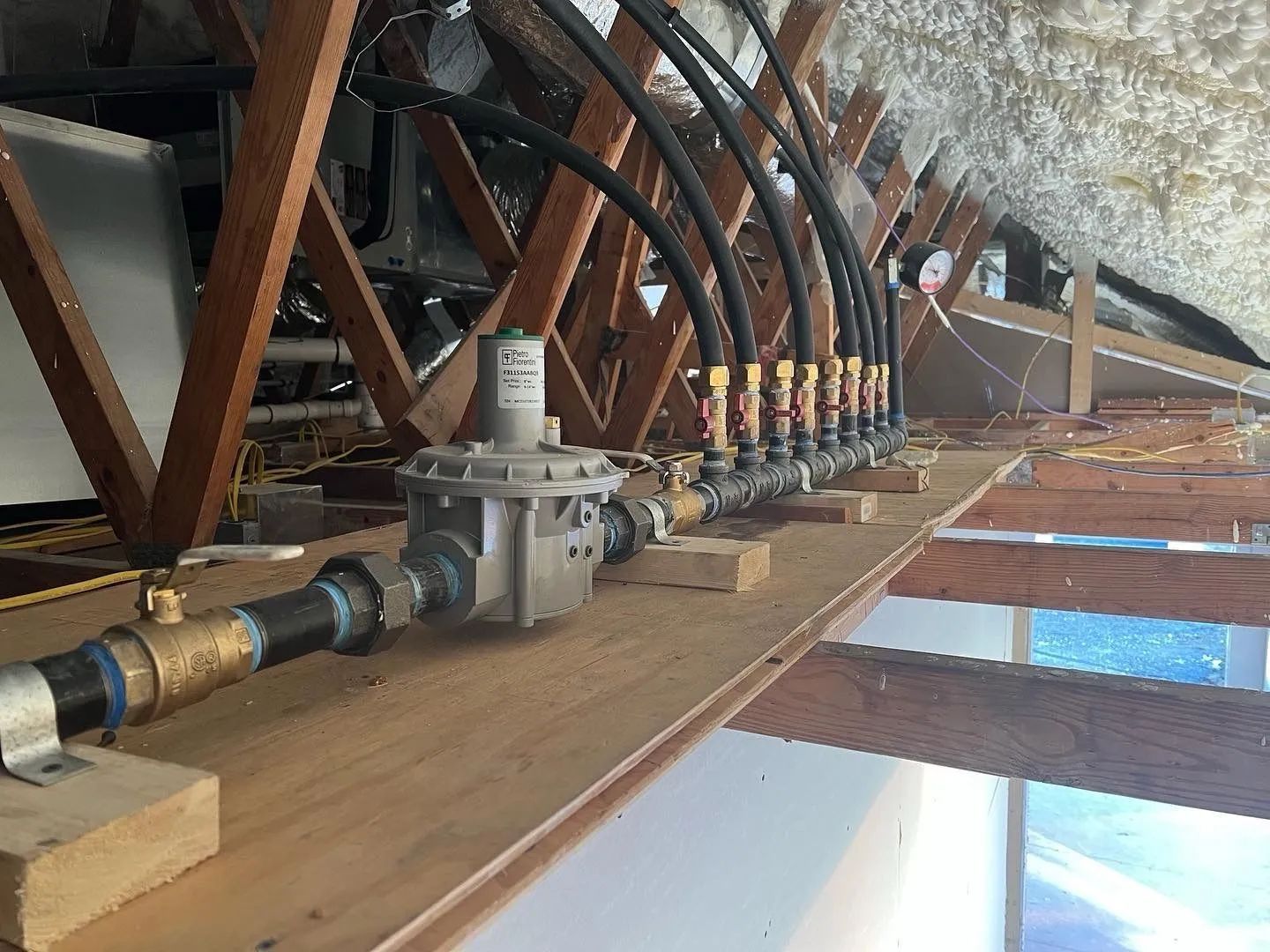
Pressure regulators help maintain consistent water pressure throughout the building, preventing damage to pipes and appliances. Regular calibration and maintenance of these devices ensure optimal system performance.
Detecting Flow Issues
Slow water flow may indicate a partial blockage, corroded pipes, or leaks. Staff should promptly report any reduction in flow to a professional plumber for inspection and remediation. Maintaining proper flow ensures tenant comfort and protects the infrastructure from long-term damage.
4. Address Pipe Corrosion and Leakage
Identifying Corrosion Early
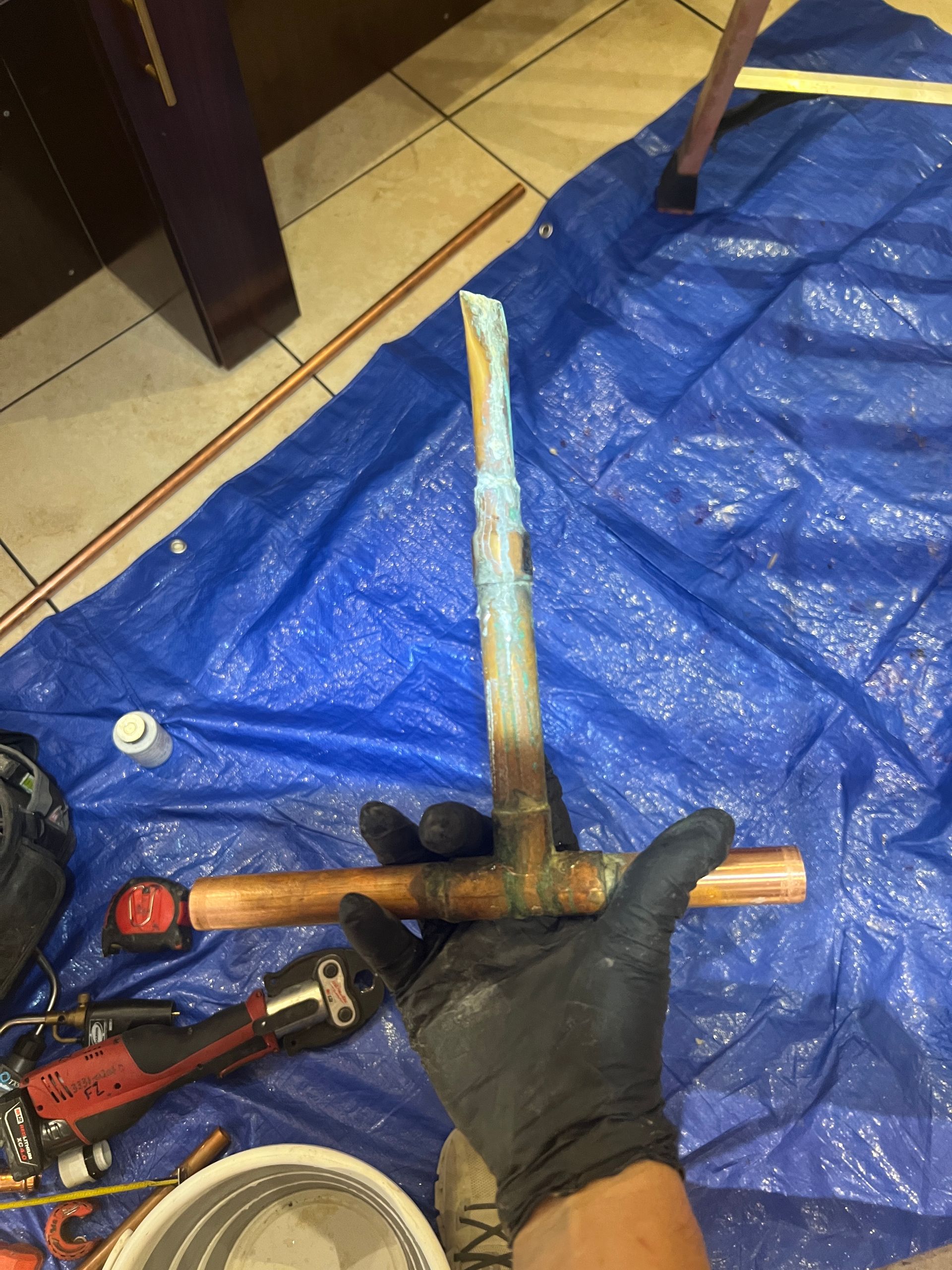
Corrosion is a gradual but serious threat to commercial plumbing. Look for rust stains, water discoloration, and pipe deterioration, particularly in older buildings with metal piping. Early identification prevents leaks and catastrophic pipe failures.
Repair vs. Replacement
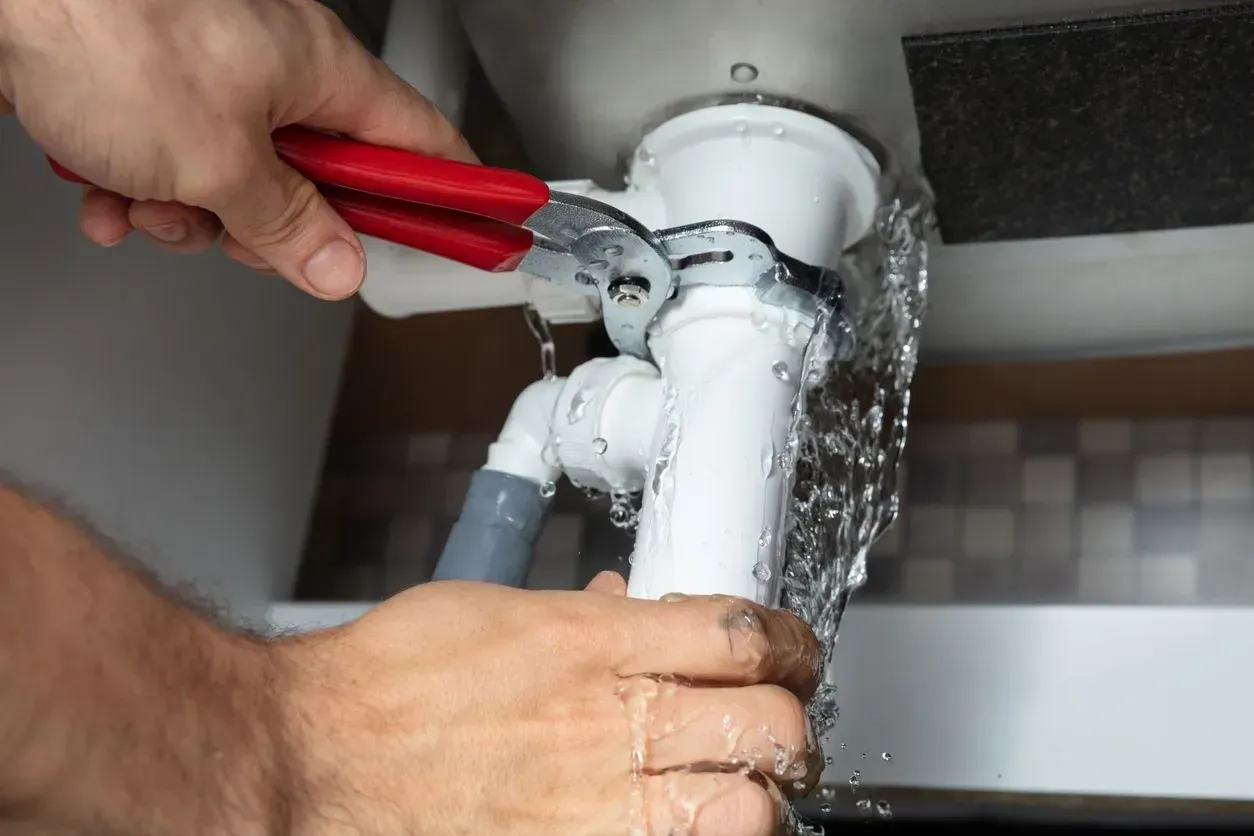
Depending on the severity, pipes may require repair or full replacement. Small leaks can be sealed with epoxy compounds or pipe clamps, while heavily corroded sections may need replacement to maintain system integrity.
Case Study Insight
A multi-tenant office complex noticed brown water and low pressure in the upper floors. Investigation revealed extensive corrosion in galvanized steel pipes. Replacing affected sections not only restored water quality but also prevented future leaks, saving thousands in emergency repairs.
5. Implement Water Heater and Boiler Maintenance
Routine Servicing
Water heaters and boilers are critical in commercial properties, particularly in hotels, restaurants, and healthcare facilities. Regular maintenance ensures consistent hot water supply and prevents system failures. This includes checking for sediment buildup, inspecting valves, and testing temperature settings.
Energy Efficiency Checks
Maintaining water heaters and boilers improves energy efficiency. Flushing tanks periodically and replacing worn components reduces energy consumption and prolongs equipment life. Efficient systems reduce operational costs and align with sustainability goals.
Preventive Measures
Staff should monitor unusual noises, inconsistent temperatures, and leaks. Timely professional servicing addresses minor issues before they escalate, ensuring uninterrupted hot water and avoiding sudden equipment downtime.
6. Adopt a Preventive Maintenance Plan
Creating a Maintenance Schedule
A structured preventive maintenance plan is key to reducing emergency repairs. Schedule inspections, cleaning, and component replacements at regular intervals to maintain a reliable plumbing system.
Staff Training and Awareness
Training facility staff to recognize early signs of plumbing issues enhances preventive efforts. This includes spotting leaks, monitoring water pressure, and reporting irregularities. Staff awareness complements professional maintenance schedules.
Technology Integration
Modern plumbing systems can be monitored using IoT devices, water sensors, and smart meters. These tools alert managers to leaks, unusual water usage, or system anomalies in real time, allowing swift corrective action and reducing long-term damage.
Benefits of Preventive Maintenance
Preventive maintenance minimizes downtime, extends equipment life, and reduces costs. Commercial properties with structured plans experience fewer disruptions, improved tenant satisfaction, and optimized water usage, enhancing both operational and financial performance.
7. Manage Backflow Prevention Systems
Importance of Backflow Prevention
Backflow incidents can contaminate potable water, posing serious health risks. Commercial properties, especially those with irrigation, kitchens, or chemical systems, must ensure proper backflow prevention to comply with safety regulations.
Regular Testing and Maintenance
Backflow prevention devices require periodic testing by certified professionals. Routine inspection prevents contamination, reduces liability risks, and ensures compliance with local plumbing codes.
Real-World Scenario
A Dallas-based office building avoided a potential water contamination issue by scheduling annual backflow testing. Early detection of a faulty valve prevented health hazards and fines from municipal authorities.
8. Seasonal Plumbing Preparedness
Winterization Strategies
Cold weather can cause pipes to freeze and burst. Commercial properties should insulate exposed pipes, maintain adequate heating, and drain water from unused systems during winter months.
Summer Maintenance Considerations
High summer temperatures can strain water systems and increase demand. Monitoring water pressure, checking for leaks, and servicing cooling-related plumbing equipment ensures efficiency during peak usage.
Benefits of Seasonal Planning
Preparing plumbing systems for seasonal changes reduces emergency repairs, prolongs pipe lifespan, and ensures uninterrupted operations year-round. Proactive seasonal maintenance enhances both safety and cost-efficiency.
9. Monitor and Maintain Sewer Lines
Importance of Sewer Line Maintenance
Sewer line problems can lead to backups, foul odors, and health hazards. Commercial properties with heavy water usage or older infrastructure are particularly vulnerable to blockages and pipe deterioration.
Inspection and Cleaning Techniques
Routine video inspections help identify cracks, root intrusion, and buildup in sewer lines. Hydro-jetting and mechanical cleaning can prevent serious clogs and extend the life of the sewer system.
Practical Example
A restaurant in Dallas experienced repeated sewer backups due to grease and debris accumulation. Implementing quarterly sewer inspections and cleaning significantly reduced disruptions and repair costs.
10. Optimize Fixture Efficiency and Upgrades
Assessing Fixture Performance
Old or inefficient faucets, toilets, and urinals can waste water and increase operational costs. Regularly assessing fixture performance helps identify leaks, drips, or outdated equipment.
Implementing Upgrades
Upgrading to water-efficient fixtures and automatic sensors reduces water usage and improves hygiene in high-traffic areas. These upgrades are often supported by rebates or incentives for commercial properties.
Benefits and ROI
Efficient fixtures lower water bills, reduce maintenance needs, and enhance tenant satisfaction. In addition, sustainable upgrades demonstrate environmental responsibility, which can be a competitive advantage for commercial properties.
Safeguarding Business Operations With Preventive Plumbing Strategies
Maintaining a commercial plumbing system requires diligence, proactive strategies, and a structured approach. Regular inspections, effective drain management, monitoring water pressure, addressing corrosion, and keeping water heaters in optimal condition are all critical to preventing costly repairs and operational disruptions. Implementing a preventive maintenance plan ensures early detection of issues, operational efficiency, and system longevity. By integrating professional services with staff awareness and modern technology, commercial properties can enjoy a reliable and sustainable plumbing infrastructure.
Nation Plumbing Services, based in Dallas, Texas, brings 15
years of expert experience in commercial plumbing solutions. Our team specializes in routine maintenance, emergency repairs, and system optimization for businesses of all sizes. We understand the unique challenges faced by commercial properties and provide customized strategies to prevent plumbing failures, reduce operational costs, and ensure uninterrupted service. Partnering with Nation Plumbing Services guarantees professional, reliable, and efficient plumbing maintenance, giving property managers peace of mind and tenants a safe, fully functional environment. Trust our expertise to safeguard your commercial property’s plumbing systems with precision and care.