
Why Hiring a Licensed Residential Plumber is Essential for Your Home’s Safety
Plumbing is one of the most critical yet often overlooked aspects of maintaining a safe and functional home. While DIY solutions and unlicensed contractors may seem like convenient or cost-effective options, the risks of improper plumbing work can lead to serious consequences. Faulty installations, leaks, or code violations not only damage property but can also pose significant health hazards to your family. Understanding the importance of hiring a licensed residential plumber is essential for homeowners who prioritize safety, efficiency, and long-term reliability in their homes.
Licensed plumbers undergo rigorous training, examinations, and ongoing education to ensure they meet industry standards and local regulations. Their expertise extends beyond fixing visible problems; they are trained to detect hidden issues, comply with safety codes, and apply professional-grade techniques that safeguard both the home and its occupants. By choosing a licensed professional, homeowners benefit from comprehensive services that minimize risks, prevent costly future repairs, and maintain the integrity of their plumbing systems. In an industry where mistakes can escalate into expensive emergencies, hiring a certified expert is not just a precaution—it is a necessity that directly impacts the well-being and safety of every household member.
1. Ensuring Compliance with Safety and Building Codes
Understanding Local Plumbing Codes
Every city or municipality enforces specific plumbing codes designed to protect homeowners and occupants from health and safety hazards. These codes regulate materials, installation methods, water pressure, and drainage standards. A licensed residential plumber is well-versed in these local regulations, ensuring that all work—from water heater installation to pipe replacement—meets legal standards. Non-compliance can lead to fines, insurance complications, or mandatory rework, which may cost significantly more than hiring a professional in the first place.
Avoiding Legal and Insurance Issues
Engaging an unlicensed plumber or attempting DIY repairs can void insurance coverage if an incident occurs. For instance, a burst pipe caused by improper installation may not be covered under your homeowner’s policy. Licensed plumbers provide documentation and certification of their work, which can be crucial for insurance claims or future property sales. This ensures that your home remains legally compliant and that any plumbing-related incidents are properly documented, protecting both your investment and your peace of mind.
Real-World Example
Consider a homeowner who hired an unlicensed contractor to install a new water heater. Due to improper venting, the system caused carbon monoxide leakage into living areas. A licensed plumber would have followed code-mandated venting procedures, preventing the health hazard and mitigating legal liability.
2. Expertise in Detecting Hidden Plumbing Issues
Identifying Concealed Leaks and Damage
Not all plumbing problems are immediately visible. Hidden leaks behind walls, under floors, or beneath foundations can lead to structural damage, mold growth, and water contamination. Licensed plumbers are trained to detect these issues using specialized tools like moisture meters, thermal cameras, and pressure testing equipment. Their experience allows them to identify subtle signs of leaks or corrosion before they escalate into expensive emergencies.
Proactive Maintenance and Inspections
Regular inspections by a licensed plumber help prevent long-term damage by identifying potential risks early. Preventive maintenance plans include checking pipe integrity, evaluating water pressure, inspecting drainage systems, and verifying the functionality of safety devices. Homeowners who invest in proactive assessments reduce the likelihood of catastrophic failures, saving both money and stress.
Case Study
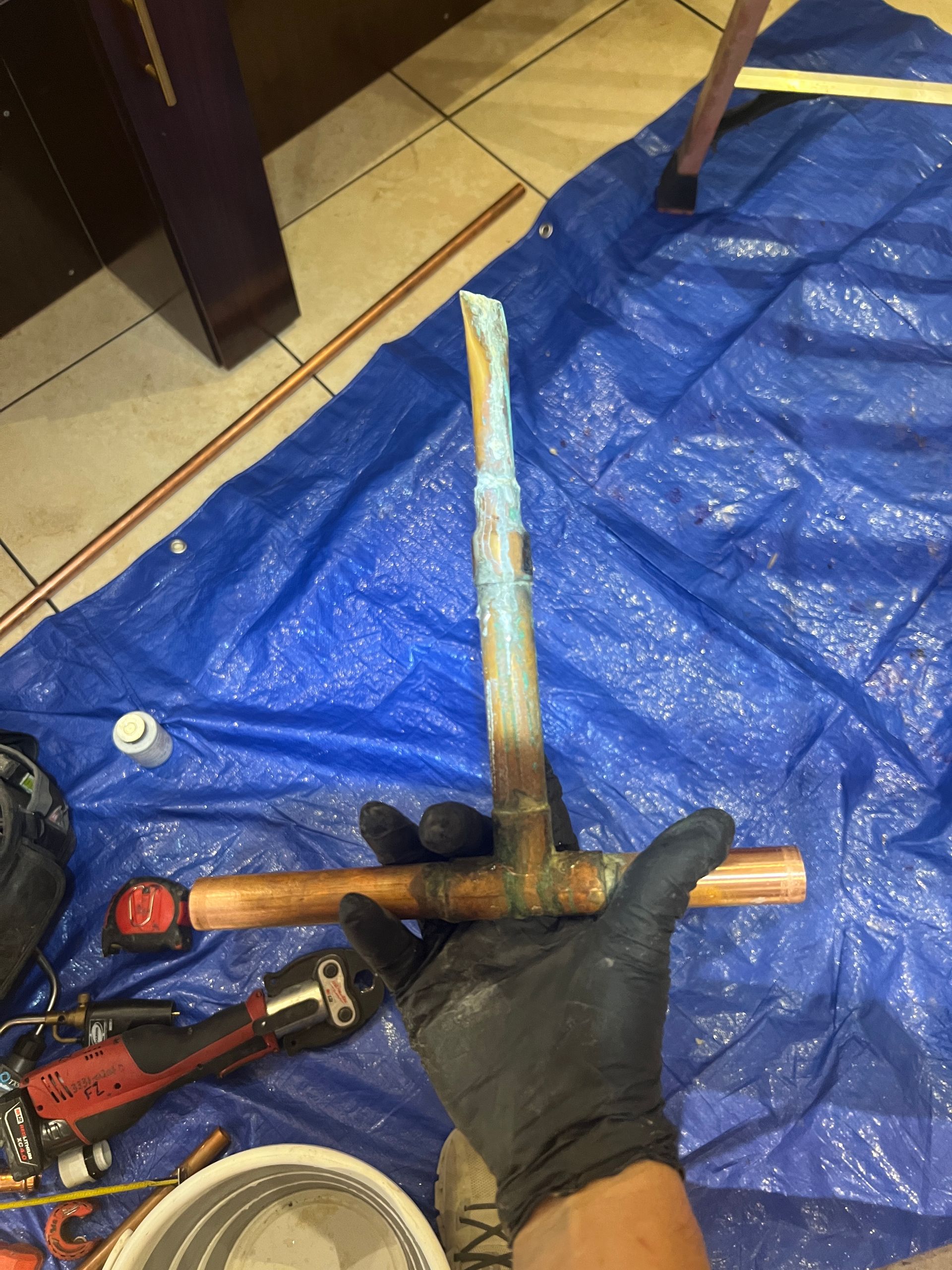
In one scenario, a licensed plumber conducting a routine inspection discovered a pinhole leak in a copper supply line hidden behind a kitchen wall. Early detection allowed for a targeted repair rather than a full wall replacement, minimizing both costs and disruption to the household.
3. Preventing Health Hazards and Water Contamination
Protecting Against Bacteria and Contaminants
Plumbing systems directly impact the quality, safety, and overall reliability of drinking water. Improperly installed or poorly maintained pipes can introduce harmful bacteria such as Legionella, or allow contaminants like lead, rust, or other pollutants to infiltrate the water supply. Licensed plumbers understand the importance of proper pipe materials, water filtration systems, and safe installation practices that consistently maintain water purity throughout your entire home.
Mitigating Mold and Mildew Risks
Leaks and poor drainage create ideal conditions for mold and mildew growth, which can cause serious respiratory issues, allergies, and other significant health complications. Licensed plumbers not only repair leaks promptly but also ensure proper drainage, ventilation, and overall system functionality, preventing the conditions that promote mold development. By addressing both visible and underlying plumbing issues, they help maintain a healthier and safer indoor environment for families.
Expert Reasoning
The relationship between plumbing integrity, system efficiency, and household health is well-established in industry studies. Homes with certified plumbing installations consistently demonstrate lower incidences of waterborne illnesses, structural water damage, and costly repairs compared to properties serviced by unlicensed or inexperienced providers.
4. Long-Term Cost Savings Through Professional Services
Reducing Frequent Repairs
While hiring a licensed plumber may involve slightly higher upfront costs, their work is durable, code-compliant, and far less prone to failure over time. This approach reduces the frequency of emergency repairs, saving homeowners from repeated expenses, frustration, and inconvenience. Properly installed pipes, fixtures, and appliances also operate more efficiently, lowering utility bills and energy usage over the long term.
Warranty and Service Guarantees
Licensed residential plumbers often provide warranties for both labor and parts used in repairs or installations. If issues arise within the warranty period, they can perform repairs or replacements promptly at no additional cost. This level of protection and accountability is rarely available with unlicensed workers and provides homeowners significant financial security against unforeseen plumbing failures.
Example Scenario
Imagine a homeowner who hires a licensed plumber to replace old galvanized pipes with modern, corrosion-resistant PEX or copper. The professional installation minimizes future corrosion, leaks, and other plumbing problems, potentially saving thousands of dollars in water damage repairs and emergency services over the next decade.
5. Handling Emergencies Safely and Efficiently
Prompt Response to Plumbing Emergencies
Plumbing emergencies—such as burst pipes, sewer backups, or sudden gas leaks—require immediate and professional attention. Licensed plumbers are trained to assess emergency situations quickly, identify hazards accurately, and implement safe, effective solutions. Their knowledge of emergency protocols, coupled with access to specialized tools, ensures that the problem is contained and resolved with minimal risk to both people and property.
Expertise with Complex Systems
Modern homes often include sophisticated and integrated plumbing systems, including tankless water heaters, sump pumps, and advanced water filtration systems. Licensed plumbers possess the technical expertise and specialized knowledge to manage these complex systems safely, ensuring optimal performance, code compliance, and long-term household safety without compromise.
Real-World Emergency Example
During a severe winter freeze, a pipe unexpectedly burst behind a homeowner’s laundry room wall. A licensed plumber responded promptly, shutting off the main water valve, replacing the damaged section professionally, and inspecting surrounding walls for hidden water damage. Their highly professional approach prevented further flooding, costly structural repairs, and significant disruption to the household.
6. Best Practices for Choosing a Licensed Residential Plumber
Verifying Credentials
Before hiring a plumber, always verify proper licensing, valid insurance, and professional certifications. A valid license demonstrates that the plumber has met state-mandated education, training, and examination requirements. Insurance coverage protects homeowners in the event of accidental damage or liability during plumbing repairs, giving homeowners complete peace of mind.
Reviewing Experience and References
Experience matters significantly in the plumbing industry. Professionals with years of practical experience are better equipped to handle complex plumbing issues and provide effective solutions tailored to specific home layouts. Request references, check credentials, or read online reviews to gauge reliability, professionalism, and quality of completed work before hiring.
Evaluating Transparent Pricing
Licensed plumbers typically provide clear, itemized estimates and explain the full scope of work, materials, and labor costs in advance. Transparent pricing prevents unexpected fees and ensures homeowners make informed decisions. Avoiding unlicensed contractors who offer unusually low bids reduces the risk of substandard work, long-term complications, and potential rework.
Asking About Maintenance Programs
Many licensed plumbers offer ongoing maintenance programs to monitor system health, detect potential issues early, and prevent emergencies. Enrolling in such programs ensures regular inspections, priority service, and long-term peace of mind for homeowners while maximizing the lifespan and efficiency of plumbing systems.
Trusted Residential Plumbing Experts Protecting Your Home
Hiring a licensed residential plumber is not just a matter of convenience—it is a critical step in safeguarding your home, health, and finances. Licensed professionals bring in-depth knowledge of local codes, advanced detection skills, and expertise in modern plumbing systems that ensure safe, reliable, and efficient operation. From preventing hidden leaks and water contamination to minimizing long-term repair costs, their work provides both tangible and intangible benefits for homeowners.
For residents in Dallas, Texas, Nation Plumbing Services
exemplifies trusted expertise in residential plumbing. With 15
years of experience, our licensed team prioritizes home safety, code compliance, and customer satisfaction. We handle everything from emergency repairs to preventive maintenance with precision and professionalism, offering warranties and transparent pricing. Choosing Nation Plumbing Services
guarantees a dependable partner dedicated to protecting your home and family. Our commitment to quality, integrity, and expert service makes us the first choice for homeowners seeking safe, long-lasting plumbing solutions in the Dallas area.